"Any analysis becomes an excuse to check risk factors"


In six months, almost 48,000 Muscovites were diagnosed with suspected chronic heart failure, and more than a thousand of them were diagnosed after additional examination. In addition, almost 2.5 million people were suspected of having coronary heart disease. Digital risk assessment algorithms, which are being implemented in the capital, help to detect the disease at an early stage. They also make it possible to predict the risk of heart attack and stroke, accelerate emergency care, and monitor patient treatment after discharge. Anastasia Rakova, Deputy Mayor of the capital for Social Development, told Izvestia on the eve of World Stroke Day, which is celebrated on October 29, about how Moscow is building a unified system for the prevention and treatment of vascular diseases, why they are reviving the precinct surveillance principle and what role artificial intelligence technologies play in this.
"Today, about 100 thousand people are under such supervision"
— Let's start with the main thing: is it possible to detect cardiovascular diseases in the early stages, in advance?
— Absolutely. Today, we are gradually moving from a model in which medicine primarily reacts to an already existing disease to a system that allows us to identify its risks and even risks. And Moscow was one of the first to start building such work on the scale of an entire metropolis.
For example, there is a "Smart reception" in the capital's polyclinics. When a patient with certain complaints makes an appointment with a doctor in the EMIAS INFO mobile application, the system asks him additional questions, analyzes the electronic medical record and evaluates the likelihood of coronary heart disease or chronic heart failure. If an increased risk is detected, the doctor conducts an in-person appointment and, if necessary, directs the person for an extended examination.
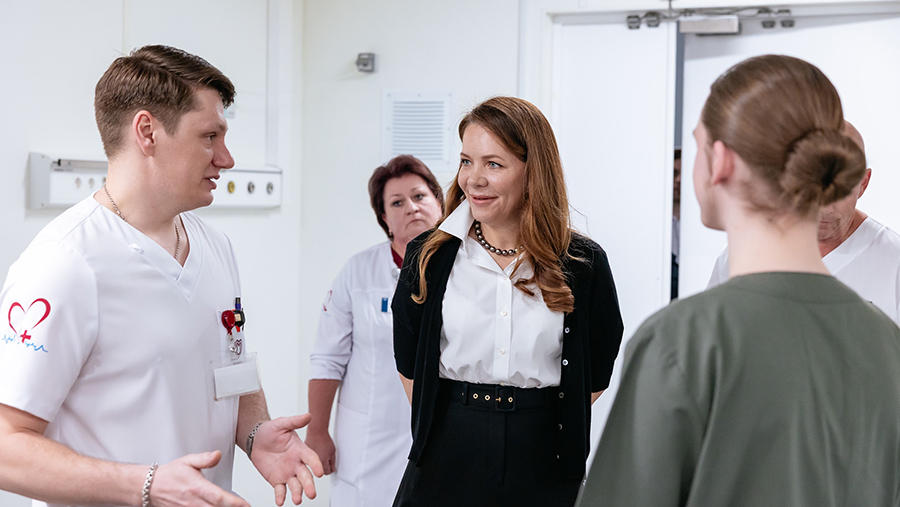
During the year, an in-depth survey was conducted by almost 2.5 million Muscovites who had not previously been diagnosed with coronary heart disease. About 500 people were referred for a stress ECG every week, and one in seven of them had their diagnosis confirmed.
In six months, the system detected suspected chronic heart failure in 48,000 patients. They also underwent in-depth diagnostics. More than a thousand of them were subsequently diagnosed.
— And if a person went to the doctor for another reason, technology can detect their risk of stroke or other cardiovascular disease?
— Yes, we are launching a system in which any analysis, no matter what the reason for it, becomes an excuse to check risk factors. The main one is high cholesterol. If it is detected, the information is automatically sent to the local doctor, and the patient receives a message to EMIAS.INFORMATION about the appointment of a detailed cholesterol test. At the same time, the system analyzes the medical record and, if there are indications and risk factors, directs it to ultrasound of the carotid arteries. The patient receives reminders to undergo this study as well. If the cholesterol metabolism disorder is confirmed, the doctor selects the treatment, and the patient can discuss the results and therapy with the doctor remotely.

We monitor glucose levels in the same way. Diabetes mellitus affects blood vessels and is one of the most dangerous harbingers of heart attacks and strokes. Therefore, if glucose is elevated in any analysis, the examination route is automatically started for the patient.
— And if a person's disease has already been confirmed and therefore the risk of heart attack or stroke is a priori high?
— We have developed a separate system based on artificial intelligence for these patients. She continuously analyzes the medical records of people with cardiovascular diseases and identifies those who have a particularly high risk of heart attack or stroke. For each such patient, the doctor receives a warning sheet: which examinations were missed and what should be reviewed in the treatment. And this is not a one-time assessment. If a person has made an appointment, called an ambulance, or been admitted to the hospital, the information is updated automatically. Today, about 100,000 people are under such supervision, and about 5,000 more are being added every month.
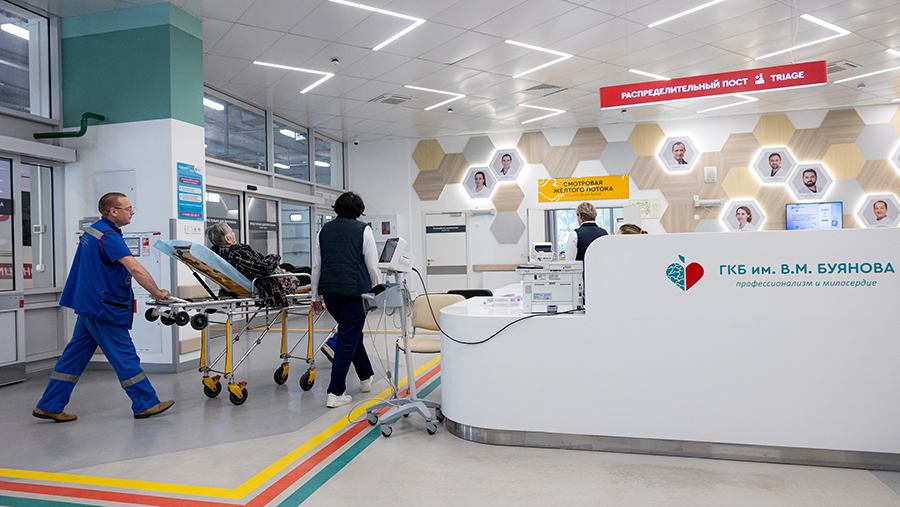
By the way, our experience has already attracted the attention of the international medical community. We recently presented this development at the Geneva Summit, where it received a United Nations award.
— Are the results of this system already available?
— Since the beginning of the project, the number of hospitalizations for stroke among middle—aged Muscovites has decreased by more than 5%, and for heart attacks by more than 9% compared to the same period last year. In humans, this is about 400 strokes and more than 230 heart attacks that did not happen.
"If you leave everything as it is, the risk of recurrent stroke is very high"
— If a stroke or heart attack does occur, what primarily affects the outcome of treatment?
— The key thing is time. Here, the bill runs for minutes, so there are two specialized networks in Moscow: heart attack, which unites 19 hospitals, and stroke, which includes 17 hospitals. An ambulance takes the patient immediately to a place where there is everything necessary for emergency diagnosis and treatment. Over the past five years, mortality from myocardial infarction in Moscow has decreased by almost 35%, and from stroke by 31%.
In addition, Moscow hospitals have been operating under the new standard of emergency care for three years now. We created it for one purpose — to reduce the time from the patient's admission to the hospital to the start of treatment. To win those very minutes on which a person's life and health often depend. And it turned out that today the average rate of emergency care has increased 1.5 times.
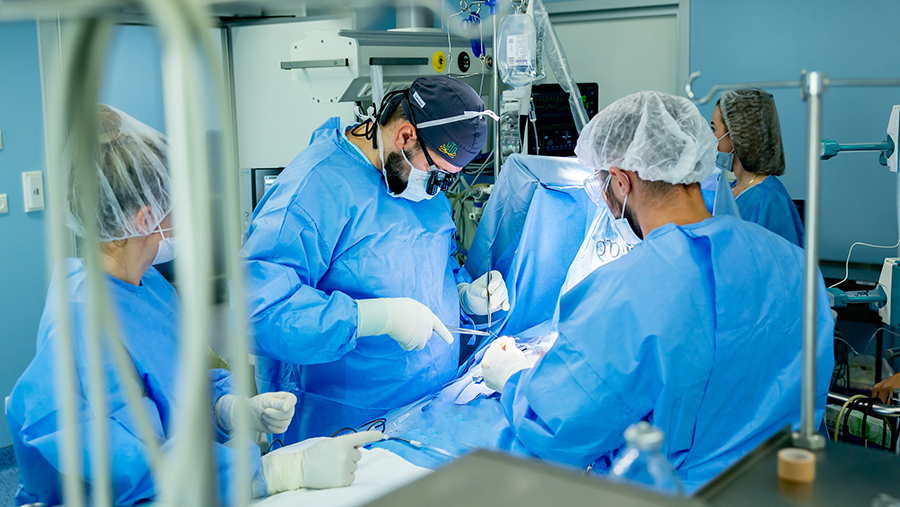
What helped? Firstly, the digital triage system distributes patients into streams right at the entrance. Secondly, the principle of "doctor—to-patient": most studies are now done right at the bedside of the patient. Plus, the logistics are thought out to the smallest detail — for example, the operating rooms and the anti-shock hall are located next to the vestibule where the ambulance arrives. And, of course, this is a single standard of equipment, a strong team of specialists and clear algorithms for each health worker.
Even before the patient arrives, the hospital sees if he has time for the therapeutic window, as well as the person's medical history and symptoms. The entire team and equipment — neurologists, intensive care specialists, CT scan, X—ray room - are ready for admission. The patient is met at the emergency room, and doctors do not need to waste precious minutes getting to know him.

If the stroke onset time is on the border of the therapeutic window, CT perfusion is mandatory for the patient. This study shows which part of the brain can still be saved, and allows us to expand the therapeutic window. In particular, due to this, the proportion of patients undergoing thromboextraction increased from 8.3% to 9.8% compared to last year. Today, treatment that restores blood flow in the vessels of the brain is given to everyone who is shown it.
At all stages, the patient is the focus of attention not only of one hospital, but also of two more city expert competence centers — on the basis of Botkin Hospital and I.V. Davydovsky Hospital. We have built a single client path and brought the actions of each team member to automatism, and the experts of the centers monitor the consistency and correctness of all steps.
— After the first stroke, there is a high risk of its recurrence. Does the system implemented in Moscow work with such patients?
— Yes, such people are at high risk. Therefore, it is important not only to eliminate the consequences of a stroke, but also to determine its cause. During the hospitalization, the patient undergoes a full-fledged examination. One of the most common causes is atherosclerosis of the carotid arteries, through which blood flows to the brain: plaques narrow the lumen of the vessel. If you leave everything as it is, the risk of recurrent stroke is very high.
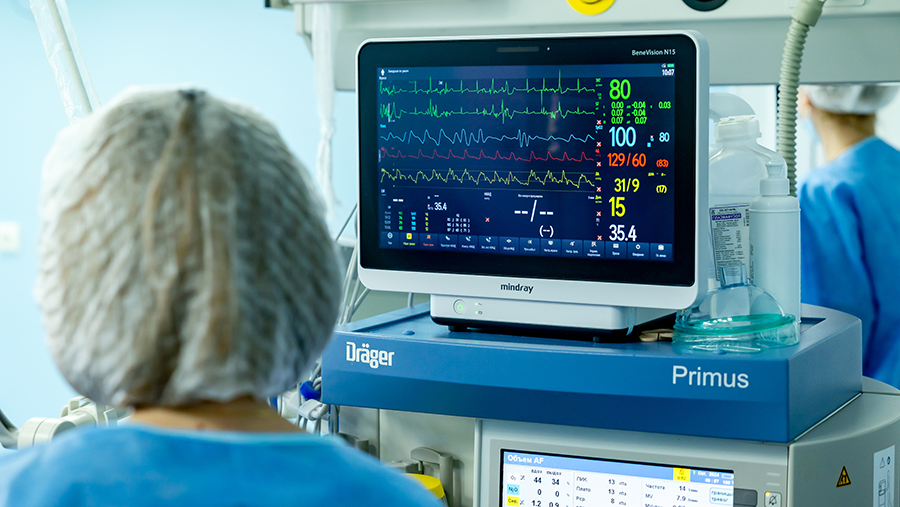
That's why we've implemented closed-loop technology. If the examination confirms the narrowing of the carotid artery, the operation to remove plaque and restore blood flow is performed in the same hospital, during the same hospitalization. If the patient's condition does not allow surgery yet, after discharge and recovery, he is referred for a planned operation — the route is determined in advance.
The doctors of Moscow hospitals are not alone here either: experts from the competence centers monitor all such patients and, in difficult cases, make decisions together with the attending physicians. Experts conduct more than 30 consultations every day, and since the beginning of the centers' work, there have already been more than 2.5 thousand.
"We have reviewed the usual procedure for drug provision"
— Stroke was considered to be a disease of older people. But now it can happen even in a child. How is assistance organized in such emergency situations?
— Indeed, a stroke can occur even at a very young age. At the same time, it is often more difficult to recognize it in a child: the symptoms may differ from the usual clinical picture in adults, and some manifestations are easily confused with other diseases. Therefore, the speed of diagnosis and the ability to immediately attract specialists of different profiles are especially important here.
It is for such cases that the only specialized pediatric Stroke Center in Russia operates in Moscow on the basis of the Morozovskaya Children's Hospital. A full cycle of care for children and adolescents is organized here — from diagnosis in the first minutes of admission and high-tech treatment to further follow-up.
CT and MRI scans, neuro-resuscitation, hematology examinations are available around the clock at the center, including thrombolysis and thromboextraction, which is a unique experience not only for Russia, but also in international practice. But the main thing is that the expertise of specialists of different profiles is concentrated here: neurologists, neurosurgeons, cardiologists, hematologists who have experience working specifically with pediatric strokes and can jointly make decisions in the most difficult clinical situations.
Over the 12 years of the center's operation, more than 4.5 thousand small patients have been treated here, not only from Moscow, but also from all over Russia. At the same time, the help does not end with discharge: the child continues to be monitored on an outpatient basis, and after the age of 18 he goes under the supervision of specialists from the adult stroke network.
— Many patients after discharge do not understand what to do next, which medications to take. How is this problem solved?
— This is really the most vulnerable period. We see that not all patients after a heart attack and stroke begin the necessary drug therapy in the first month after discharge. At the same time, this period is especially important for the recovery and prevention of recurrent vascular events.
Therefore, we have reviewed the usual procedure for providing medicines. Now, patients after a heart attack and stroke receive the first supply of necessary preferential medications for 30 days immediately upon discharge from the hospital. If the corresponding benefit has not yet been issued, it is done right at the time of hospitalization. Thus, the person returns home with the necessary medicines and can continue the prescribed treatment without interruption. This measure alone doubled the adherence to the prescribed therapy. This is a very illustrative example of how even changing one organizational process can significantly turn the situation around. We did not shift all responsibility onto the patient, but first looked at what we could change from our side.
Then the polyclinic is connected. In Moscow, we are gradually reviving the district principle: the attending physician sees all his patients online who have been admitted to the hospital and discharged. He organizes further monitoring, checks appointments and determines the escort plan.
In addition, we have launched a proactive awareness system for patients with cardiovascular diseases through the EMIAS app.INFO. Now a person will receive personal messages from their attending physician: reminders about taking medications and examinations, information about extending prescriptions, invitations to consultations, and adjustments for therapy.
Artificial intelligence-based digital assistants play an important role here. They track changes in medical records, research results, prescription expiration dates, and other events that may require a doctor's attention. For example, if a person has not completed an assigned examination, the system helps to identify this situation in a timely manner. If the patient has not opened the initial message with the treatment plan within two weeks, an employee of the polyclinic will additionally contact him.
In my opinion, this is precisely the human-centricity of modern medicine. Behind a complex digital infrastructure, a person should not see algorithms, but rather a very specific concern, and know that they have not forgotten about him after discharge. And the district doctor in this system is gradually becoming a truly personal doctor for each patient - someone who sees his whole story, monitors his health and comes to the rescue on time.
Переведено сервисом «Яндекс Переводчик»
