Fjord major: how a clash of values turns into a judicial drama


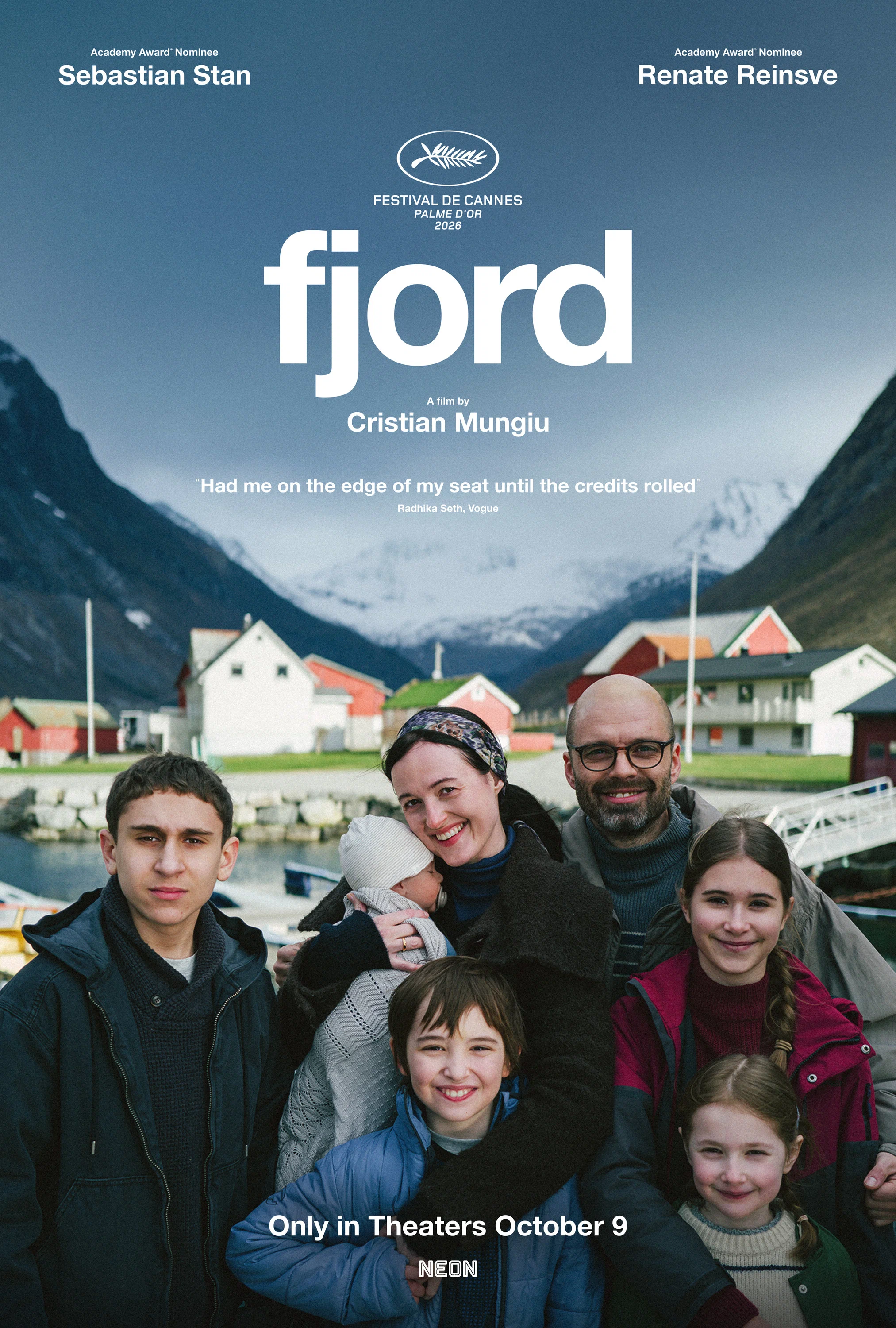
The Georgiou couple are moving from Romania to a Norwegian village with their five children. Their ascetic lifestyle alarms the locals and leads to conflict, the true nature of which is hidden behind vague legal formulations. The film "Fjord" with Sebastian Stan and Renata Reinswe has already been recognized by the jury of the Cannes Film Festival and became Romania's candidate for the Oscar in the Best International Film category. The film will be released in Russia on October 29. Izvestia visited the pre-premiere screening and tells us what Christian Mungiu's new work makes you think about and how the director manages to keep the viewer's attention for two and a half hours.
Northern stubbornness
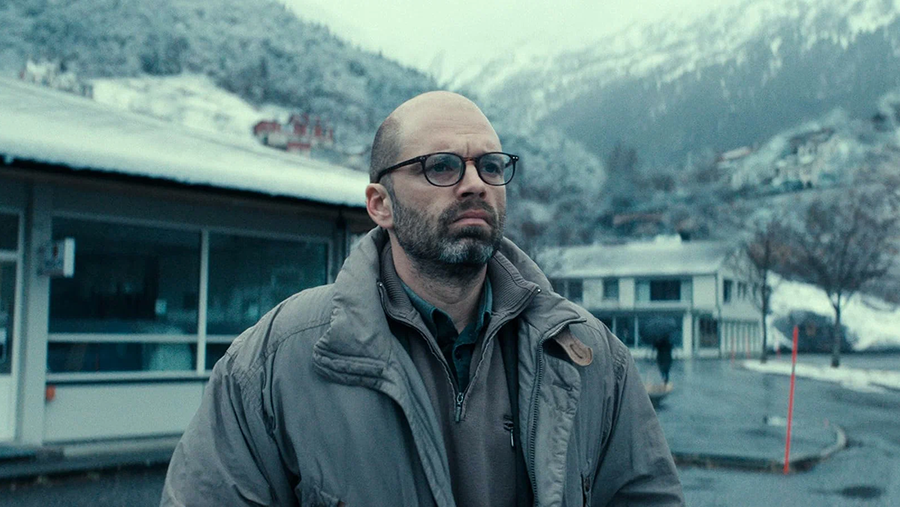
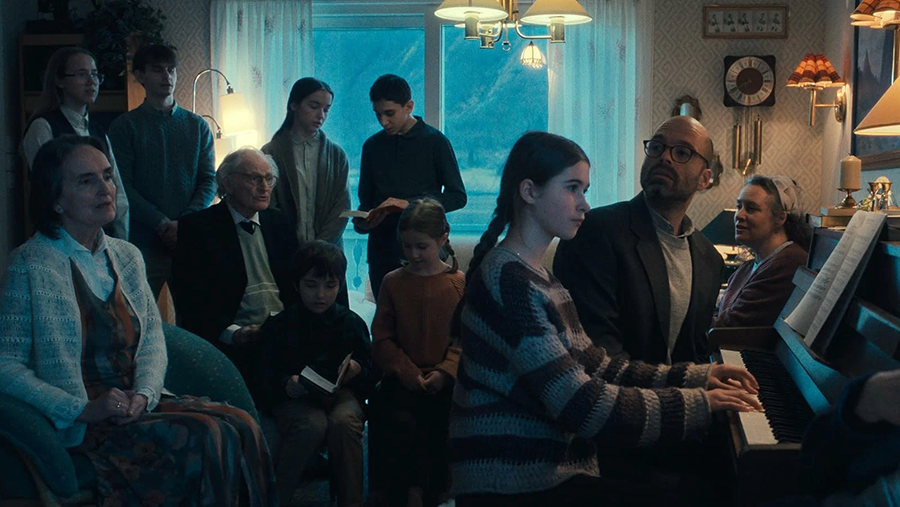
Sebastian Stan plays Mihai, a calm, reasonable father of a family who lives strictly according to the law of God. Despite his education as an aviation engineer, after moving from his native Romania, he agrees to the position of a system administrator and sincerely believes that he is doing this for the benefit of his loved ones. The fact that the hero does not know Norwegian underlines his isolation and defenselessness, so it is not easy to suspect him of evil intentions. When the police come to question Mihai, he calmly feeds the fish. The contrast between the ordinariness of this scene and the seriousness of what is happening is almost imperceptible at first, but gradually becomes comical.
The mother of the family was portrayed on the screen by Norwegian actress Renata Reinswe. Her character Lisbeth demonstrates the wonders of multitasking: she manages to run a household, raise five children, work as a nurse in a nursing home and at the same time help everyone who needs support. She comforts a woman who has lost her mother and invites a neighbor to take a walk with her wheelchair-bound father-in-law.
Even if the couple had not quoted the Bible, their fanatical adherence to Christian precepts and unconditional love for the world around them would not have been in doubt. Lisbeth and Mihai are contrasted with Mia and Mats Halberg, who live next door. Their older children get closer and share different experiences: the rebellious Nura takes newcomers on a boat and teaches them to break small rules, and Elia and Immanuel, in turn, tell her about the Bible and religious traditions.
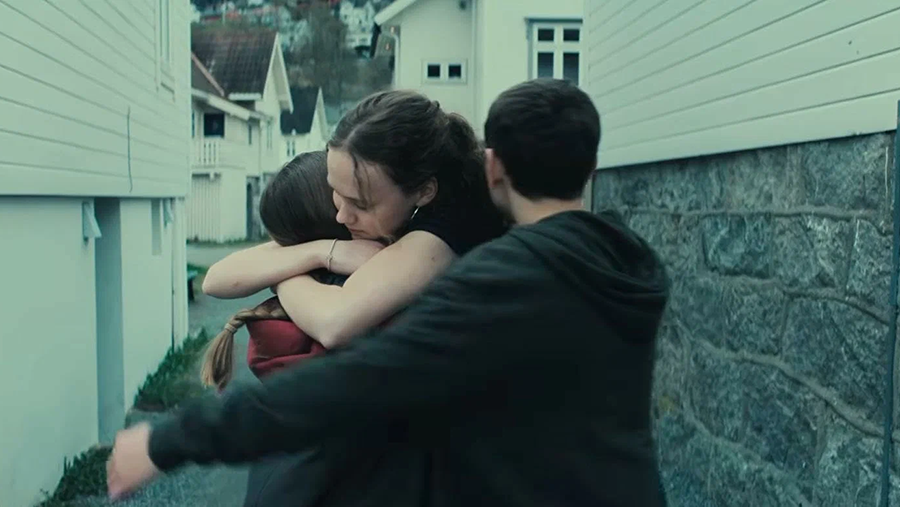
The conflict that brings Gheorghiu to court begins with bruises on their eldest daughter's back and face. Mungiu does not suggest the audience to play detectives, depicting controversial scenes with reliable documentary. Their true nature is revealed only over time, so it is difficult to classify the film as "one-time": watching it again helps to see more clearly when exactly everything is going wrong.
The script offers the viewer facts and different interpretations of events, without imposing the only correct interpretation and leaving room for their own conclusions. The guardianship authorities cleverly substitute the truth, gracefully intimidate the accused and coldly use real legal formulations. With the light hand of a policeman, the word "spanked" turns into "repeatedly beaten," and the language barrier allows the custody to present the children's testimony in such a way as to expose the parents in an unsightly light.
The prosecutor builds his defense on stereotypes and repeats the Romanian surname with a mistake, once again demonstrating his unwillingness to understand and accept someone else's culture. The heroes hide behind the law, the formal procedures of which lose their common sense. Therefore, even the trial shown in detail seems predictable and doomed to failure from the very beginning.

The mountain does not go to the mountain
The plot about the conflict between traditional Christian families and a liberal-minded society is not Mungiu's invention: such situations have occurred more than once in real life. The director himself is from Romania, so his sympathies are probably on the side of the affected countrymen. However, the film does not boil down to a one-sided view of the conflict: the director tries to understand both sides, does not impose his own conclusions on the viewer and shows the logic of actions even of those who oppose the main characters.
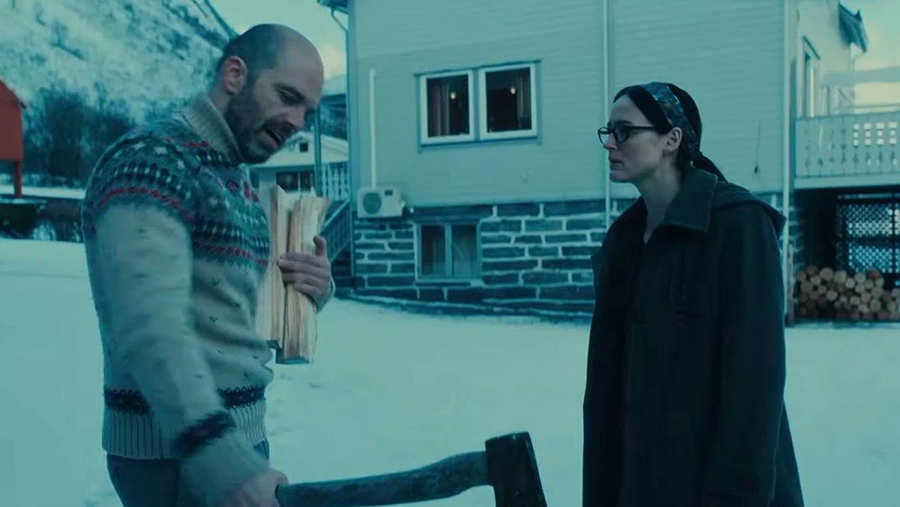
The author's vision emerges only when Mungiu cannot resist admiring the Norwegian views. From the first shots, the white-gray landscapes transport the viewer to the harsh northern region with snow-capped mountains and calm waters. In one scene, winter is coming, and the blinding whiteness of snow fills the screen, against which even the central dialogue is lost. The two characters seem like tiny dots against the background of an icy colossus, but their calm voices do not allow the scene to turn into a serene northern pastoral. Even from the windows of the courthouse, dark blue waves can be seen, majestically indifferent to human strife.
Mungiu's penchant for admiring nature is also evident in the title of the painting. "Fjord" is a bay lying between two steep shores. The rocks are solid, monumental and impregnable, which reminds the opposing sides of the conflict, neither of which is ready to make concessions.
In nature, their rapprochement is impossible, but the plot of the tape still allows two different worlds to intersect. The Georgiou couple recognizes the existence of technology, although it contradicts their views, and instead of Christian humility demonstrates a willingness to fight. Nura does not take off the cross given by her friend, and does not even notice how she runs through the water — a skill that is often attributed to Christ. The guardianship authorities remain the only ones who do not come to a compromise.
Mungiu vividly challenges the claim that in a progressive society, everyone is equal without exception. The only ray of hope are teenagers who are able to see in another culture something that is missing in their own and change the future for the better. At the same time, the director seems to reject the pessimistic interpretation, using the cheerful Norwegian song "My First Day at School" in the credits. Whether this is irony, open mockery, or just a soundtrack without deep meaning is an open question.
Переведено сервисом «Яндекс Переводчик»
