- Статьи
- Society
- Crippling reception: parents accuse maternity hospital in Crimea of death and disability of children

Crippling reception: parents accuse maternity hospital in Crimea of death and disability of children

The actions of doctors at the Simferopol maternity hospital No. 2 could have caused the death of a six-month-old girl and the severe disability of other newborns, and the total number of victims could number in the dozens, the parents told Izvestia. Complaints are regularly received about the staff of this maternity hospital due to the likely use of "squeezing" by obstetricians - the so—called Kristeller technique, which is considered crippling in the medical community and was excluded from the clinical recommendations of the Ministry of Health of the Russian Federation. A criminal case has been opened into the death of the child. An independent examination showed that the girl could have been injured during childbirth precisely because of the possible use of the Kristeller device. Then, already in the clinical hospital, a catheter was forgotten in the baby's vein, which could cause infection and sepsis. The details are in the Izvestia investigation.
Difficult labor
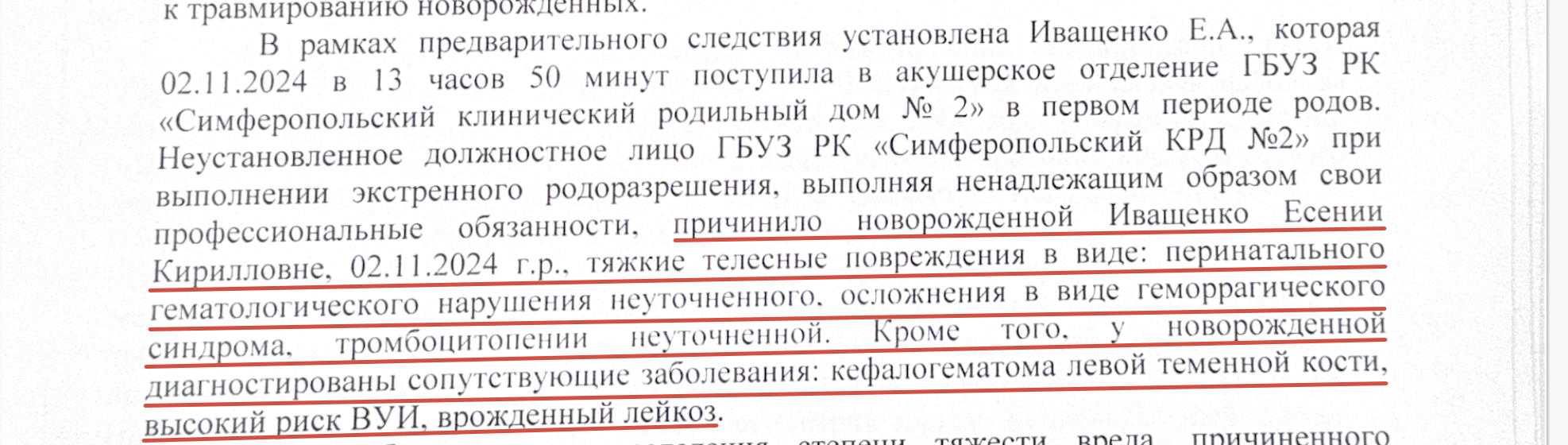
In May 2025, six-month-old Yesenia Ivashchenko died in a cancer center in Moscow, whose fate has been monitored by the Crimean media since her birth. The girl was born in the maternity hospital No. 2 in Simferopol on November 2, 2024. The birth turned out to be difficult: Yesenia had multiple injuries — dislocation of the cervical vertebrae, hemorrhages and hematomas, as well as second-degree cerebral ischemia.
The girl's parents believe that it's all the fault of the likely use by doctors of the method of "squeezing" the child out of the womb — the so-called Kristeller technique, which has long been excluded from the recommendations of the Ministry of Health of the Russian Federation due to its danger. The mother and father also believe that doctors unsuccessfully used vacuum extraction - when a child is helped to be born using a nozzle that is attached to his head.
— When the attempts began, I could not give birth. Labor activity, one might say, stopped, and then he (the obstetrician who delivered the baby. — Ed.) called two other male doctors. They stood on my sides and began to lean on my stomach with both hands. I couldn't even breathe, and my capillaries burst in front of my eyes," said Ekaterina Ivashchenko, Yesenia's mother.
On the day of her birth, Yesenia was transferred to the Regional Children's Clinical Hospital (RDCB).
A forgotten catheter and a strange examination
However, the key factor that determined Yesenia's fate could be the catheters installed by doctors. It was at the RCB that their daughter "was infected with Pseudomonas aeruginosa (Pseudomonas aeruginosa)," the Ivashchenko couple claim in their appeal to the Prosecutor General's Office (Izvestia has it).
Eventually, Yesenia died of acute cardiopulmonary insufficiency, which developed as a result of sepsis of bacterial etiology. "One of the most likely sources of this infection could be a catheter located in our daughter's abdominal cavity as a result of a violation of the catheterization technique of one of the central veins in the Republican Children's Clinical Hospital of the Republic of Kazakhstan," the appeal to the Prosecutor General's Office says.
After the birth of the child, the parents filed a complaint with the local Investigative Committee. In November 2024, a criminal case was opened on the fact of causing serious harm to the health of a child. As part of the investigation, the Crimean Republican Bureau of Forensic Examination conducted an examination, but did not see any fault of the doctors. The results indicate that Yesenia's medical care was provided "in full" both at the maternity hospital and at the RCB (the document is available to Izvestia). At the same time, concomitant diseases were noted in the conclusion, including acute lymphoblastic leukemia and a number of other pathologies.
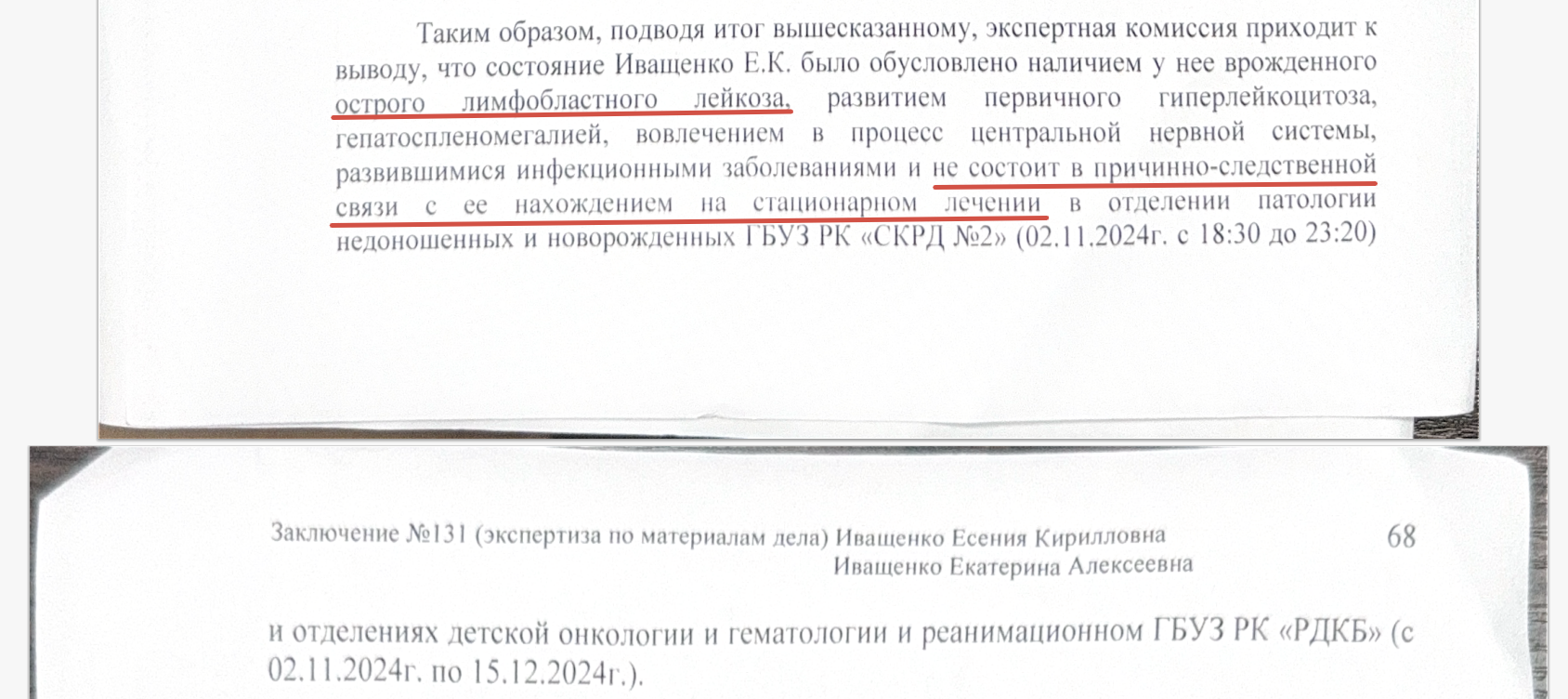
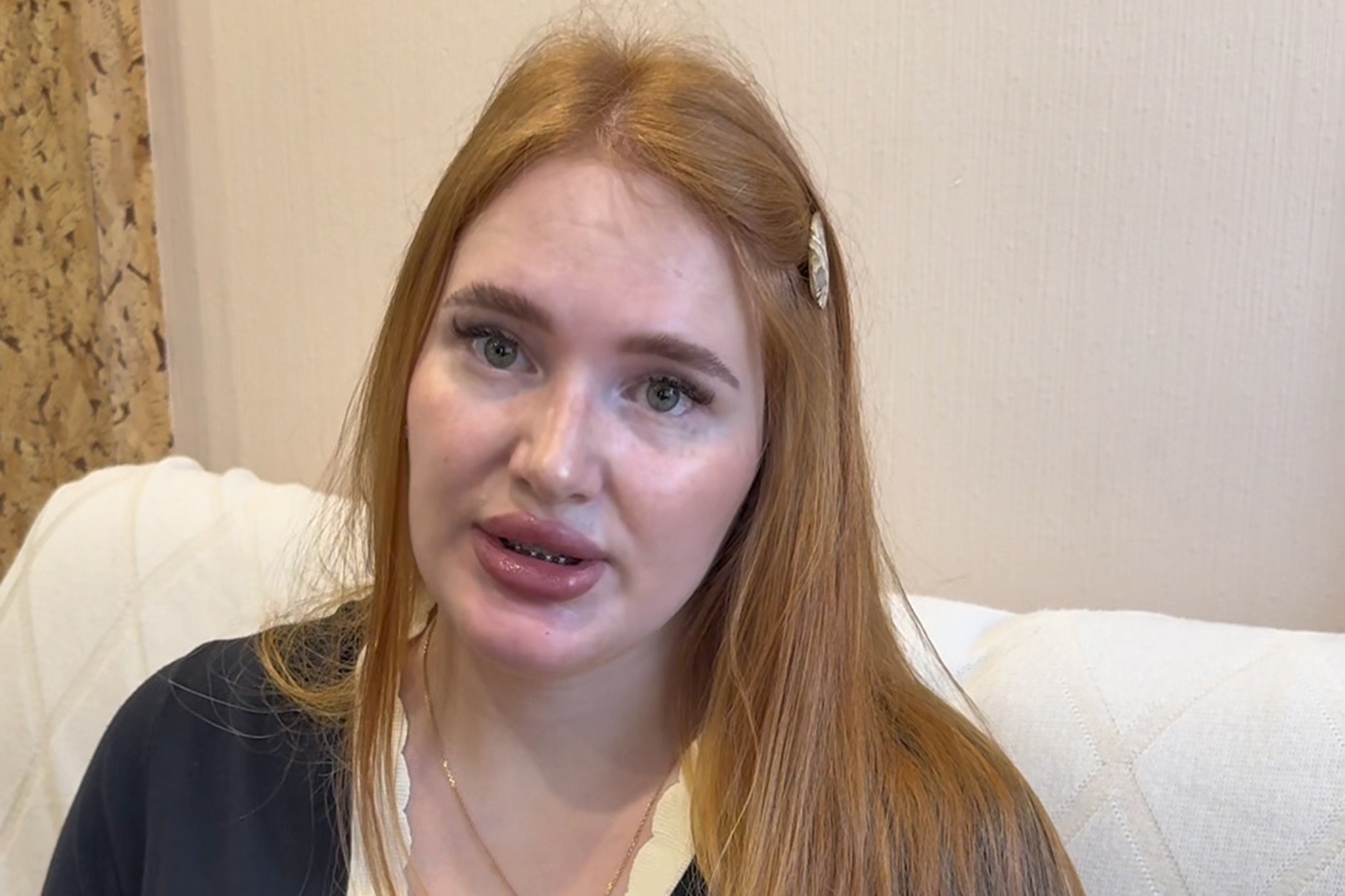
— Two days before giving birth, I had an ultrasound scan, which showed that everything was fine. I asked the doctors if an ultrasound scan would show the hemorrhages she was born with. The answer is: "Yes, they would be visible." This suggests that these were traumatic hemorrhages, because two adult men were pressing on my stomach. And leukemia is not an indication for intensive care after childbirth," Ekaterina said.

At the RCB, where the girl was taken after giving birth, she was fitted with several catheters at once, which for some reason was not included in the girl's medical record, her parents noted.
At the same time, Ekaterina and her lawyers appealed to the regional Ministry of Health and Roszdravnadzor.
"There were even meetings with the regional Minister of Health, where we were told that there were no violations, that they would definitely sort everything out, but then no actions were taken at all or formal checks were carried out," Ekaterina said.
Izvestia sent requests to the Ministry of Health and Roszdravnadzor of Crimea.
As a result, Yesenia's parents managed to get her hospitalized in a Moscow cancer center. After the girl's death, the parents learned that the Crimean Prosecutor's Office had dropped the criminal case, citing the conclusion of the Crimean Republican Bureau of Forensic Examination.
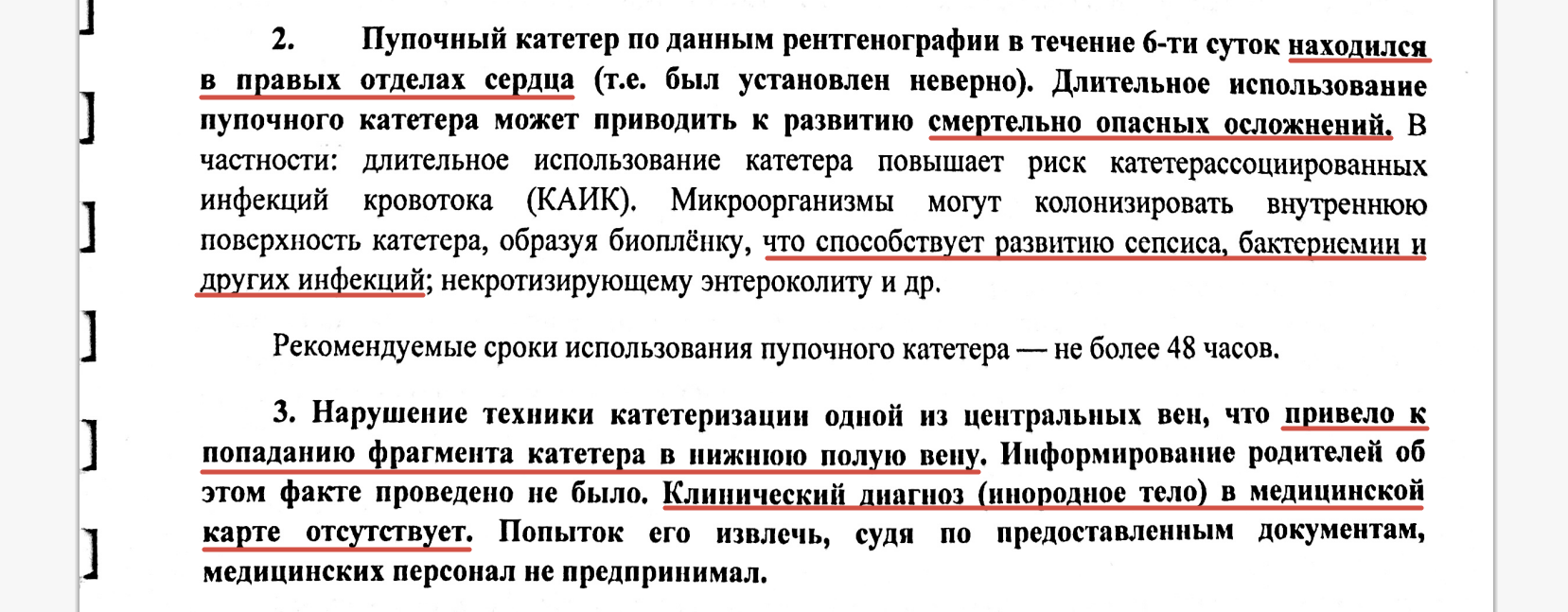
The family conducted a new, independent examination. It follows from her conclusions that Yesenia's condition after birth was a direct result of the actions of both the hospital doctors and the RCB doctors. The likely use of the Kristeller device by the maternity hospital staff could have caused a brain hemorrhage, ischemia (due to the fact that the child was suffocating during childbirth), as well as many other injuries, including dislocations of two cervical vertebrae and hematomas. In addition, the examination noted the incorrect installation of the umbilical catheter, which remained in the vein for six days with a maximum of 48 hours.
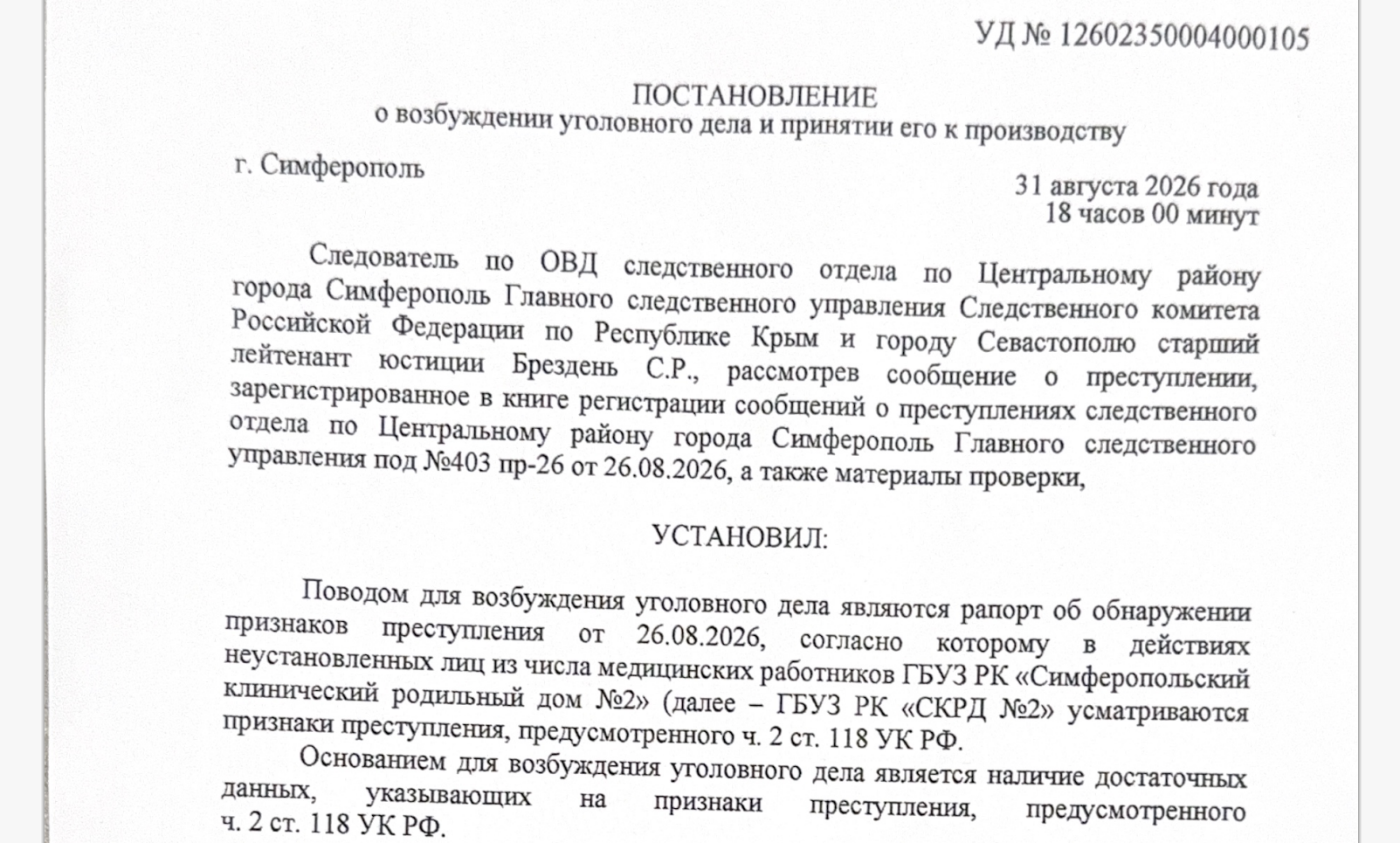
The result was the initiation of a new criminal case on the fact of causing serious harm to Yesenia's health in relation to "unidentified persons from among the employees" of maternity hospital No. 2.
Problematic maternity hospital
Izvestia contacted other affected families, in particular Daria Provotorova, whose son was born in maternity hospital No. 2 nine days after Yesenia Ivashchenko. According to her, during childbirth, doctors also pressed on her stomach, trying to help the baby to be born, and used vacuum extraction.
The baby's condition was severe: in fact, he was stillborn, but he was resuscitated. Subsequently, the boy was diagnosed with severe hypoxic-ischemic brain damage, fractures of the fifth, sixth and seventh ribs on the left, hemorrhages, and damage to the brachial plexus.
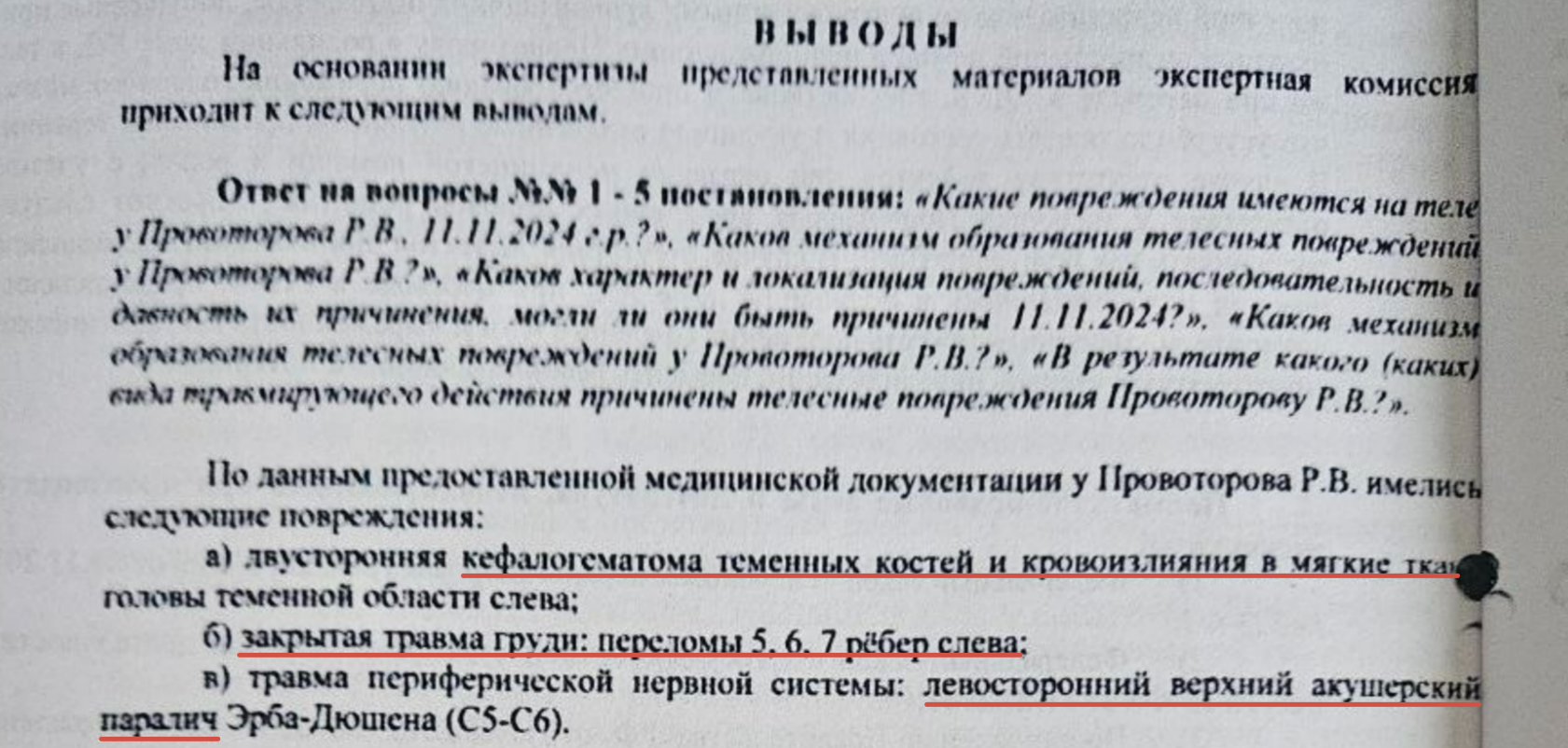
As a result, Robert became disabled, unable to sit or even chew himself, and lives solely on the medical equipment he is connected to.
— There are a lot of victims — more than 100 people. These are the ones who had babies squeezed out too. Not everyone goes to complain for their own reasons. The maternity hospital uses this [Kristeller's] technique on an ongoing basis and does not consider it something bad. If I had had a caesarean section or received proper manual assistance during natural childbirth, the baby would have been healthy," Daria Provotorova told Izvestia.

Another case of difficult childbirth concerns Marina Osaulenko — her son Yaroslav was also injured at birth, and her bladder was ruptured, which required a complicated operation.
— As part of the audit, violations were discovered and a submission was made on the reimbursement of part of the funds. They filed a claim for damages in April 2025. In November 2025, a decision was made on the need for an examination in Rostov, and at the expense of the maternity hospital, to which they filed an appeal, and now cassation. As a result, there are no results yet," Marina Osaulenko told Izvestia.
Evgenia Azarenko, Irina Ivchenko, the Ismailov, Shishonkov families and a number of others also sued the maternity hospital or filed a police report. In the vast majority of cases, severe birth injuries were inflicted on children (the Ivashchenko family provided Izvestia with a list of 21 names of victims).

Who runs the maternity hospital
Ilya Glazkov twice took over the post of head of maternity hospital No. 2: he held this position until 2010, and in November of the same year he became deputy head of Simferopol. His wife Irina Glazkova became the head physician at that time. In 2013, she left of her own accord, and Glazkov told the local Ukrainian press at the same time that Mayor Viktor Ageev would appoint a new chief physician.
"It should be a decent, highly moral head doctor. And definitely not a relative. You can't put relatives in, because there will be a "Glazkov couple" again, Glazkov himself said in an interview in 2013. After that, he became the head of this hospital again.
He was also asked who controlled the private clinic "Genesis", which is now located in the building next to the legal address of maternity hospital No.2. The journalists did not receive a direct answer at that time, however, as Izvestia established, at least two maternity hospital doctors are working at this clinic in parallel.
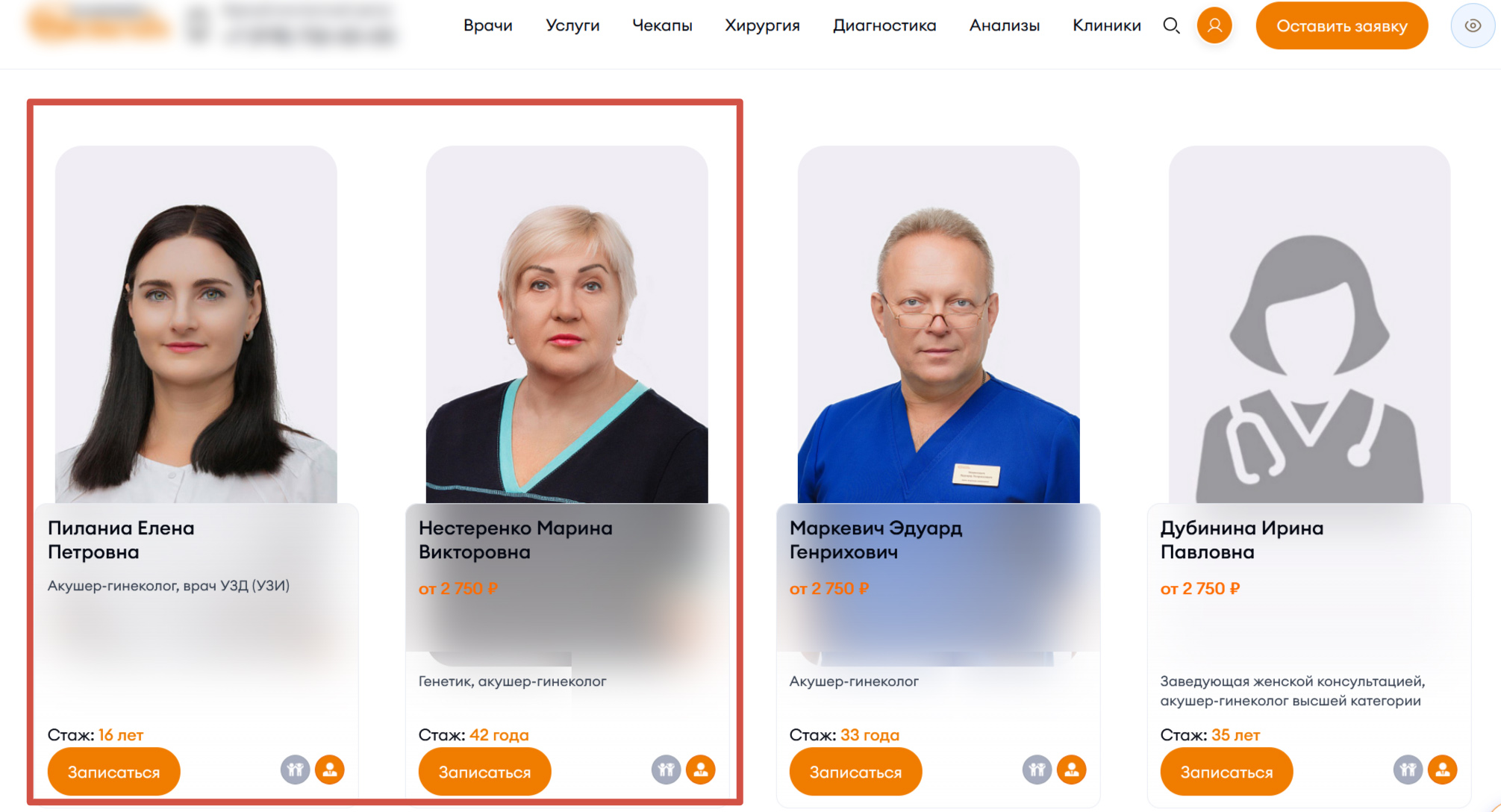
Thus, obstetricians and gynecologists Elena Pilania and Marina Nesterenko are listed simultaneously in the lists of doctors at both maternity hospital No. 2 and the Genesis clinic.
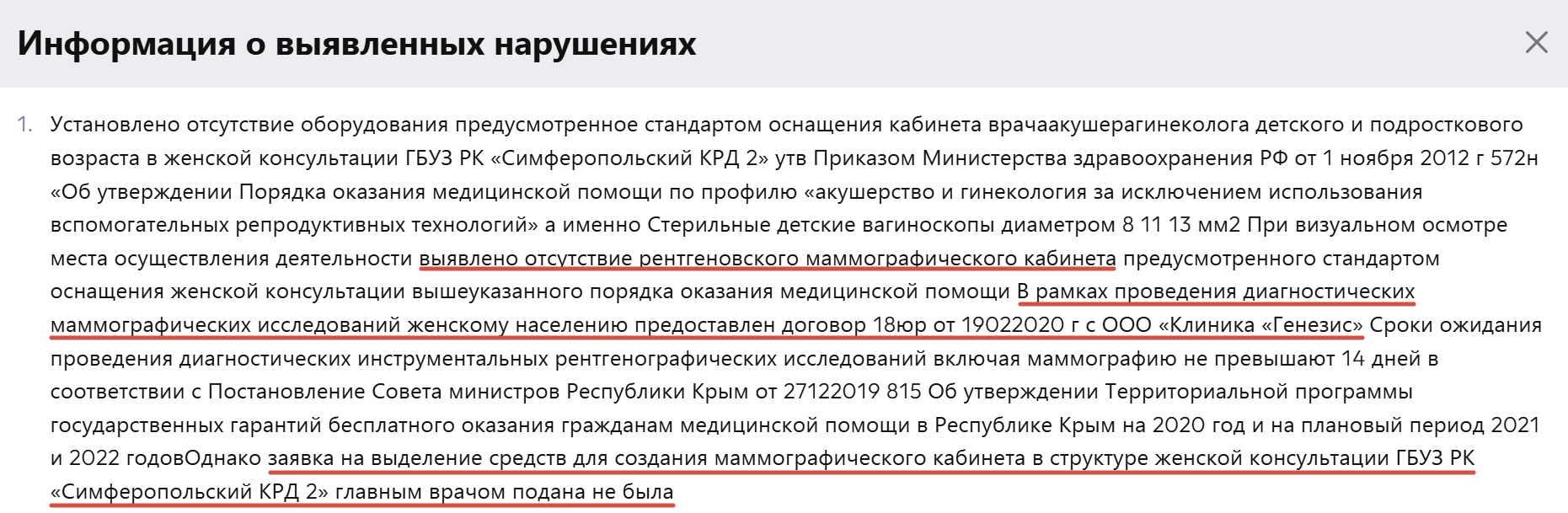
Moreover, in maternity hospital No. 2 in 2020, an on-site inspection of Roszdravnadzor was carried out, which revealed a violation: there was no mammography room in the women's consultation department, and maternity hospital doctors sent pregnant women to the Genesis clinic on a paid basis for appropriate research. The check also established that the chief physician Glazkov could have applied for funds to create a mammography room, but did not do so.
What is the danger of taking a Kristeller
As experts explained to Izvestia, the Ministry of Health of the Russian Federation actually has a well-formed position on the admission of Kristeller: in 2014, the agency published letter No.15-4/10/2-3185 in which it was explicitly stated: "Do not use any methods of squeezing the fetus (including Crystal)."
"In modern obstetrics, admission is not recommended by leading international health organizations and clinical guidelines for routine use due to the lack of evidence of effectiveness and the potential risk of serious complications," the Russian Ministry of Health said in response to a request from Izvestia.
This practice on the part of the Ministry was purposeful, explained Boris Lordkipanidze, an obstetrician-gynecologist and expert on reproductive health.
— Taking Kristeller is not listed in the clinical guidelines of the Ministry of Health precisely because it is officially recognized as crippling, dangerous and has no proven effectiveness. The absence of this technique in the documents is not a bureaucratic accident. He was excluded from there absolutely consciously," he said.
Lordkipanidze noted that, according to the law "On the Basics of Public Health Protection," starting in 2022, doctors are required to provide assistance strictly based on approved clinical recommendations.
"Therefore, the use of a method that was deliberately excluded from the recommendations due to its traumatic nature is a direct defect in the provision of medical care and a violation of the law," the expert added.
Causing serious harm to health as a result of an appointment that was not provided for by clinical recommendations has already become a reason to initiate criminal cases, Lyubov Yerofeyeva, an obstetrician-gynecologist, public health and public health specialist, and WHO expert, told Izvestia.
"Such excessive mechanical impact on the fetus during passage through the birth canal can cause life—threatening damage or can lead to severe disability, such as persistent neurological disorders due to hypoxia during childbirth or due to birth trauma," the expert said.
Izvestia sent a request to maternity hospital No. 2, but they did not respond to the publication's questions about the cases described in the material, citing medical confidentiality. They also stated that they "fully and strictly" comply with the requirements of the letter from the Ministry of Health, which prescribes not to use the Crystal and other extrusion techniques, as well as the provisions of Law No. 323 "On the Basics of Public Health Protection."
Переведено сервисом «Яндекс Переводчик»
