- Статьи
- Science and technology
- Catching up with the horror: the "fear machine" will rid people of phobias

Catching up with the horror: the "fear machine" will rid people of phobias

Russian scientists have created a simulator to combat phobias based on a neural network. The system generates images that frighten the patient, evaluates the level of fear according to physiological indicators and creates an even more eerie picture. This approach allows a person to learn step by step how to cope with unpleasant experiences, experts say. According to psychologists, the development can make the therapy of anxiety disorders more accessible and widespread. However, it is necessary to use the new technology very carefully, otherwise you can bring a person to a hysterical reaction.
The Fear Generator
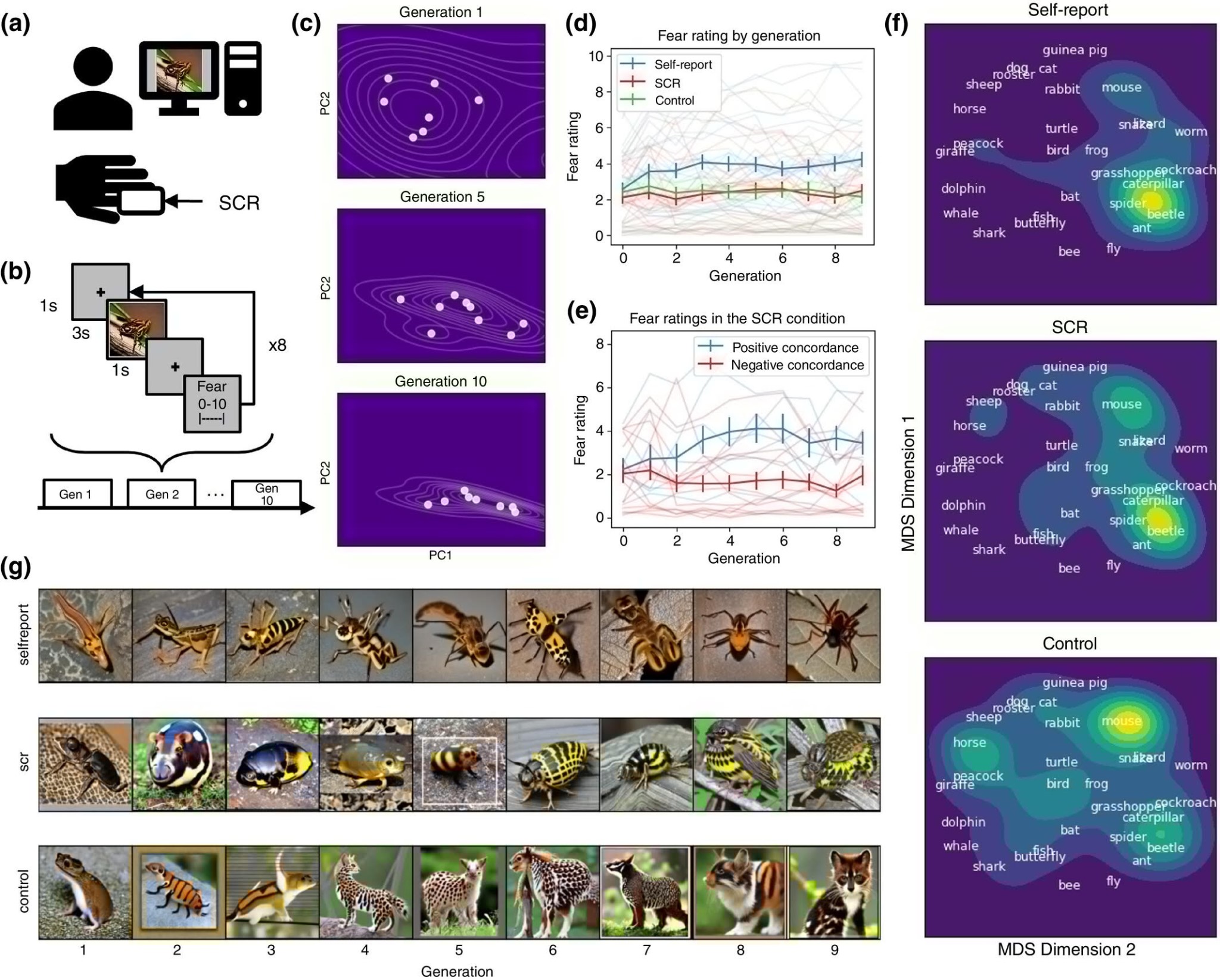
Researchers from Skoltech (VEB Group.Russian Federation), together with colleagues from the University of Montreal (Canada) and the International Institute of Advanced Telecommunications Research (Japan), have created a neural network-based technology for generating scary images. The system examines the viewer's individual fears and creates increasingly frightening images based on the data obtained. The development is designed as a simulator to combat phobias in a safe environment.
— The ability to generate images of an object of fear with a given intensity of exposure will be useful for multimedia simulators designed to combat phobias. An additional advantage is taking into account the individual characteristics of the patient, which we managed to implement. Now the algorithm is gradually increasing the intensity of exposure, focusing on the indicators of galvanic skin reaction and the user's subjective assessment of the degree of fright," said one of the authors of the study, a researcher at the Center for Neurobiology and Neurorehabilitation. Vladimir Zelman of Skoltech Gurgen Soghoyan.
In the future, experts plan to switch to using neurophysiological signals, in particular fMRI data, in order to directly link the work of the neural network with brain activity.

The simulator is based on the desensitization method, a traditional approach to the treatment of phobias in which a person gradually encounters a source of fear in a controlled and safe environment. The intensity of the impact increases step by step. For example, with arachnophobia, the patient may first look at cartoon images of spiders, then move on to photos and videos, observe a live spider behind glass from a distance, and eventually learn to remain calm in its presence.

The study involved 20 people. They were shown images from different categories, both neutral and related to common phobias, in particular the fear of spiders and insects. The participants assessed the degree of fright from each image. At the same time, the reaction of the autonomic nervous system accompanying and regulating fear was recorded in them. This data was used to train the model, after which it could generate new images that evoke a given level of fear, including a stronger one.
— Based on behavioral reactions, that is, conscious feedback from participants, we were able to create images that became scarier with each subsequent iteration. However, when generating new images using a physiological marker, the average level of fright did not exceed that for control images. This once again raises the question of the perception of frightening stimuli, which has a complex organization and includes both autonomous reactions of the body and a more conscious assessment of the observed phenomenon," added Gurgen Soghoyan.
The study is published in the journal Psychiatry and Clinical Neurosciences.

Use with caution
In addition to combating phobias, the study is important for understanding the psychology of human interaction and generative AI, as well as studying the neuromechanisms underlying the physiological component and subjective perception of emotions, including in anxiety disorders.

The presented research by Skoltech and its partners is relevant and timely, since the method of systematic desensitization has long established itself as one of the most effective tools of evidence-based psychology in the treatment of phobias, anxiety disorders and PTSD, says Olga Valaeva, head of the Center for the Development of Digital Clinics at Moscow State University.
— Numerous clinical trials confirm its ability to significantly reduce the level of anxiety and fears in patients. The key value of the proposed approach lies in the possibility of making the method more accessible. An automated AI-based simulator can significantly expand access to desensitization therapy for patients with PTSD and anxiety disorders, especially in regions with a shortage of qualified psychologists. At the same time, the system is trained on the personal data of each patient, which makes it possible to increase the individualization of therapy," the specialist said.

However, more research is needed. The issue of precise gradation of fear intensity remains critically important, since this emotion is non—linear, and incorrect calibration of the stimulus can lead to the opposite effect, for example, to cause a panic attack or a psychotic episode. Further study of the neuromechanisms of threat perception and the development of more reliable algorithms that take into account both physiological markers and subjective assessments of the patient are required, Olga Valaeva emphasized.

According to Natalia Moskovskina, an emergency psychologist, a careful and individual approach is needed when dealing with phobias. Without this, exposure can lead to an excessive emotional reaction, so treatment should be carried out under the supervision of a specialist.
Переведено сервисом «Яндекс Переводчик»
