Funeral march: how scammers extort inheritance from dying people

A resident of Yekaterinburg contacted the police after she learned about her father's death and discovered that he had been buried at someone else's grave without her knowledge. She blames this on a woman who found herself in the last months of her life near a man with cancer and posed as his sister, forcing her to bequeath all her property. This story is not unique: lonely elderly people, especially those who experience serious mental health problems, regularly become victims of fraudsters who appear next to them at the most difficult moment in order to gain trust for selfish purposes. Izvestia figured out how to protect elderly relatives from scammers.
Who buried a man without his relatives' knowledge
Alexandra's story from Yekaterinburg appeared in local media in early September. The woman told reporters that her 68-year-old father Vyacheslav Kremlev lived alone. In the winter of 2025, his condition worsened, revealing inoperable cancer and second—stage cortical brain atrophy. The man's physical and mental health began to deteriorate.

Alexandra claims that in February she noticed that "Tanya the doctor" was calling her father — the man was sure that it was his own sister, but he had never had such a relative. Vyacheslav took offense at the attempt to explain this. And two months before his death, he stopped communicating with his daughter altogether: he did not let her go home and did not pick up the phone. The police responded to Alexandra's appeal that they could not do anything if her father was alive and simply did not want to communicate.
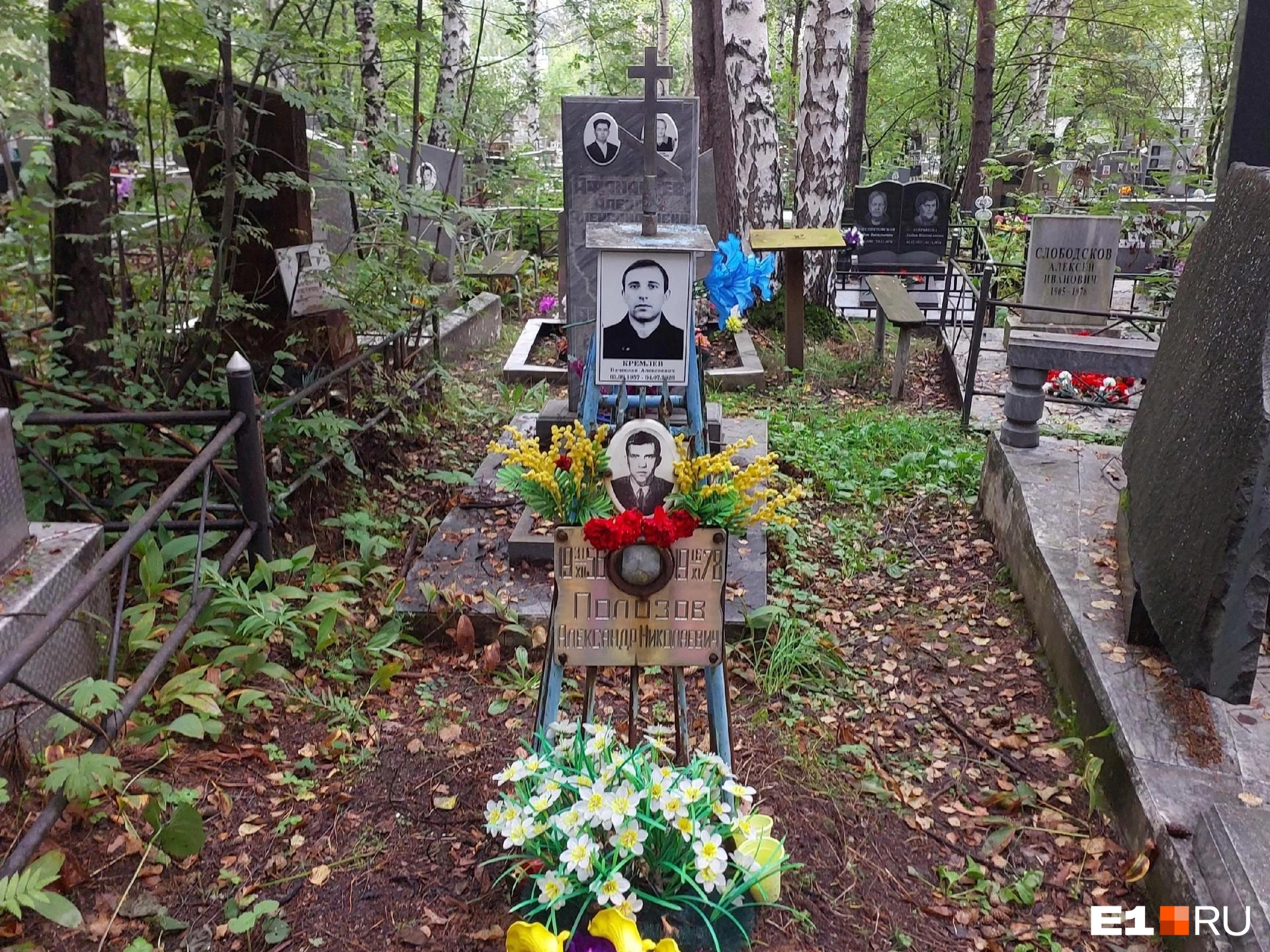
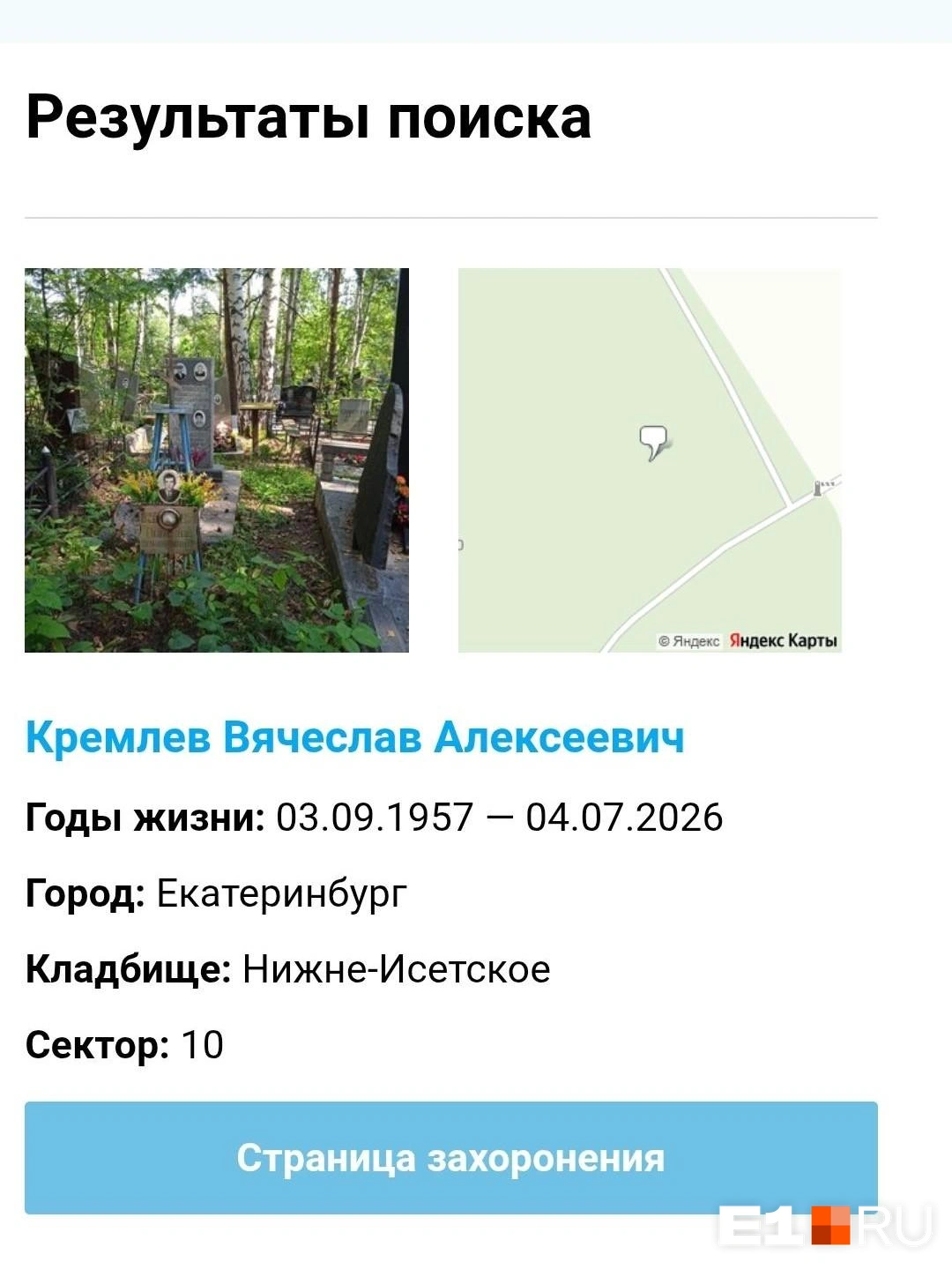
Alexandra found out that her father had died on July 4 only three weeks later. She became worried when the man stopped answering the phone altogether, but found out about his death only through the registry office. At the end of July, a woman found Vyacheslav's grave through the archive and went to the Nizhne-Isetskoye cemetery. There she found out that he had been buried by a stranger in a 50-year-old grave. Employees of the cemetery informed Alexandra that the issue of burial was handled by a woman and a man who called Vyacheslav Kremlev "stepfather."

The publication also contains a photo from the cemetery, which shows the fact that the man was buried in another grave, and a screenshot from the portal "Ritual Archive", which contains all the data from cemeteries in Yekaterinburg with pictures of burials. At the same time, the information about Vyacheslav Kremlev on the website looks different now: both the point on the map and the photograph of the grave have changed. This may be due to the fact that his ashes have already been reburied by a relative, but Izvestia was unable to promptly confirm this fact. The administration of the Nizhne-Isetsky cemetery did not respond to calls from the editorial office. Izvestia also sent requests to the municipal funeral service, the city Cemetery service and the Yekaterinburg administration, but had not received any responses at the time of publication.

Alexandra claims that Tatiana (the same "Tanya the doctor" from the phone book) is now claiming the inheritance of the deceased, because at the end of 2025 Vyacheslav allegedly bequeathed all his property — an apartment, a car and a garage — to this particular woman. Moreover, Alexandra did not find any money in her father's apartment, which should have been left over from the sale of the car made shortly before his death, and other valuables.
After the daughter of the deceased man changed the locks in the apartment, Tatiana opened an inheritance business, according to a local publication. Izvestia actually found the open inheritance file of Vyacheslav Alekseevich Kremlev in the Register of Inheritance Cases.
Alexandra also said that she had already submitted applications to the police and the Investigative Committee, and also requested information from the archive of the City Cemetery Service about who was involved in her father's burial and on what basis.

The Investigative Committee of the Sverdlovsk Region told Izvestia that they did not have information about the situation, and the media relations department of the Ministry of Internal Affairs of Russia in Yekaterinburg confirmed that a statement had been received from Alexandra.
— The citizen's application is registered with the police department No. 4 in accordance with the procedure established by law. Currently, employees of the territorial Department of Internal Affairs are investigating the circumstances of the incident, as well as identifying those involved in possible illegal actions," the department noted.

Is it possible to bury a person in another grave
The order of reburial in Russia differs from region to region and, as a rule, is not complicated enough, Ilya Boltunov, head of the Zhuravli funeral home, explained to Izvestia. However, there are exceptions.
— If we are talking about some million-plus cities, such as Moscow and St. Petersburg, they usually have regional regulations. Firstly, it is required to provide documents confirming the relationship of the person being buried with the one who has already been buried. Secondly, the burial sites themselves are inventoried — everywhere there is a responsible person registered in the registers, and only with the permission of this person all actions with burial take place," the expert said.

But in most regions of Russia, even in regional centers, the procedure for such burial is very simple, the expert noted. Documents on kinship are either not required or requested, but they look at them "through their fingers."
— The cemetery staff might not have had an obligation to check anything. And the funeral arrangements themselves are such that any person who has assumed responsibility can do this — absolutely any person," Ilya Boltunov emphasized.
He pointed out the need to establish clear federal legislation that would be respected by all industry participants.
When a dying person turns away from relatives
Some experts contacted by Izvestia did not comment on this situation, as there is no evidence yet of the truthfulness of its presentation. One of the editors' interlocutors, in particular, called what was described in the publication "the presumption of insanity of an elderly person," while admitting that Tatiana's actions could have been illegal.

Evgeniya Ananyeva, a clinical psychologist and oncopsychologist, also said that it is impossible to judge from one publication what happened to a particular person if there are no medical documents and conclusions. Regardless of Alexandra's story, she explained that now the standard of cancer treatment includes a regular assessment of the patient's psychological state at all stages. Doctors should notice anxiety, depression, distress, and if indicated— cognitive impairment.
— If alarming signs appear, the patient should be examined by the attending physician and, if necessary, by a neurologist, psychiatrist or palliative care specialist, — said the interlocutor of the editorial board. — But a psychiatrist can give a clinical assessment of a person's mental state and their ability to understand a particular decision at a particular moment. And only a court can legally recognize a person as legally incompetent.

At the same time, it is not uncommon for a seriously ill person to trust an outsider more than his family in the last months of his life.
— In a serious illness, the key role begins to be played not by kinship, but by someone who is physically nearby every day and helps to solve specific household and medical problems: it can be a neighbor, a volunteer, a medical worker, a nurse. By itself, a shift in trust in such a person does not prove manipulation on his part, nor that the patient's decision was conscious and free. This is a fact that requires a separate assessment, and not a ready conclusion in any direction," said the oncopsychologist.

The real vulnerability is created not by the diagnosis itself, but by the conditions that often accompany a serious illness at the end of life: confusion, memory and recognition disorders, severe pain, insomnia, exhaustion, and social isolation. And if a sudden change in the circle of trust coincides with such changes, this is a reason for an urgent medical assessment of the patient's well-being, and not for a family dispute about who is right, Evgeniya Ananyeva emphasized.
— If yesterday a person was the same as usual, but today he does not recognize his home and relatives, we may be talking about delirium, that is, an acute and often reversible impairment of consciousness, which is often found in oncological diseases, especially in the late stages, — the specialist emphasized.

If the patient's condition worsens dramatically, relatives should contact their oncologist, therapist, or palliative care provider and insist on a face-to-face assessment, she added. It is important to record specific facts with dates: not "I was not myself," but "on the 14th I did not recognize my daughter, I could not name the medications I was taking." This is useful for doctors and, if necessary, lawyers.
— It is also important in advance, while a person can freely express his will, discuss trusted persons, access to medical information and financial issues with him. This dramatically reduces the risk of subsequent conflicts and disputes," the source said.
Is it possible to challenge a will after death
A person who has come under the influence of an outsider shortly before his death can indeed write a will in his favor. The Federal Notary Chamber (FNP) noted that the notary who certifies the will is obliged to establish the identity, legal capacity and legal capacity of the applicant. And not just to check the official decisions on the limitation of a person's legal capacity, but to have a detailed conversation with him.
— The notary asks various questions, including on abstract topics. Evaluates how the interlocutor is guided by what is happening, whether he is able to give a logical and detailed answer, " the FNP press service emphasized.
Even if the testator comes accompanied by relatives or other potential heirs, the notary should always talk to him in private in order to avoid outside pressure and keep the will secret. If a notary has doubts about a person's ability to understand the meaning of their actions, the help from a psychiatrist will not help either.

At the same time, lifetime transactions or a will after the death of the testator can be challenged, lawyer Ksenia Stepanishcheva, head of Branch No. 36 Stepanishcheva, Zui and Partners, told Izvestia.
— But only if there are medical materials that allow us to assert that a person might not be aware of his actions. This is called a postmortem forensic psychiatric examination based on documents. The subject of research in it is only medical documentation," she stressed.
This is effective only if there is a really large amount of data in medical documents. They are also necessary because testamentary bargaining is broader than contractual: when a person gives away his apartment during his lifetime, he remains homeless. And if he bequeaths her, even if he is not completely healthy, he does not deprive himself of anything.
— The legislator assumes that a person, even being in such a state, may nevertheless want, relatively speaking, to love one nephew and not love another. This is his right, and he does not infringe on himself in any way," explained Ksenia Stepanishcheva.

The FNP noted that in practice, the risks that the will will be challenged in court are minimal. An additional guarantee here may be video recording of the process of verifying the will itself — the recording should show how the notary and the applicant communicated, whether the specialist found out his real will, whether he talked about the legal consequences, as well as what he answered and in what condition the citizen was at that moment.
How often the elderly are deceived
At the same time, scammers work not only with people who have mental health problems, said Ksenia Stepanishcheva. She told the story of an elderly woman in her right mind who lived in one of the most prestigious houses, and one day simply broke off communication with relatives. When they arrived at her place, a distant relative opened the door to them, saying that her grandmother no longer wanted to communicate with her family.
— This is a classic case when they not only ingratiated themselves with an elderly man, but actually seized his apartment. In this story, the woman showed rare resilience and, despite the pressure, did not rewrite the will," the lawyer clarified.

Unfortunately, there are a lot of such situations. All kinds of interested parties find themselves next to a person who begins to experience psychological difficulties, wind him up, remind him of previous grievances against close relatives, or simply ingratiate themselves with unexpected and devoted "love." These may be neighbors, girlfriends, distant relatives, people who have information about people with health problems due to their profession, and black realtors.
— They are not shy at all: they begin to persuade me to write a will in their name, to give them an apartment, because they take care of a person so well, unlike close relatives! On the contrary, relatives are usually shy about talking about this topic," added Ksenia Stepanishcheva.
According to the lawyer, a single elderly person who owns expensive real estate is always an object of hunting, so it is important that close relatives are with him during a difficult period.
Переведено сервисом «Яндекс Переводчик»